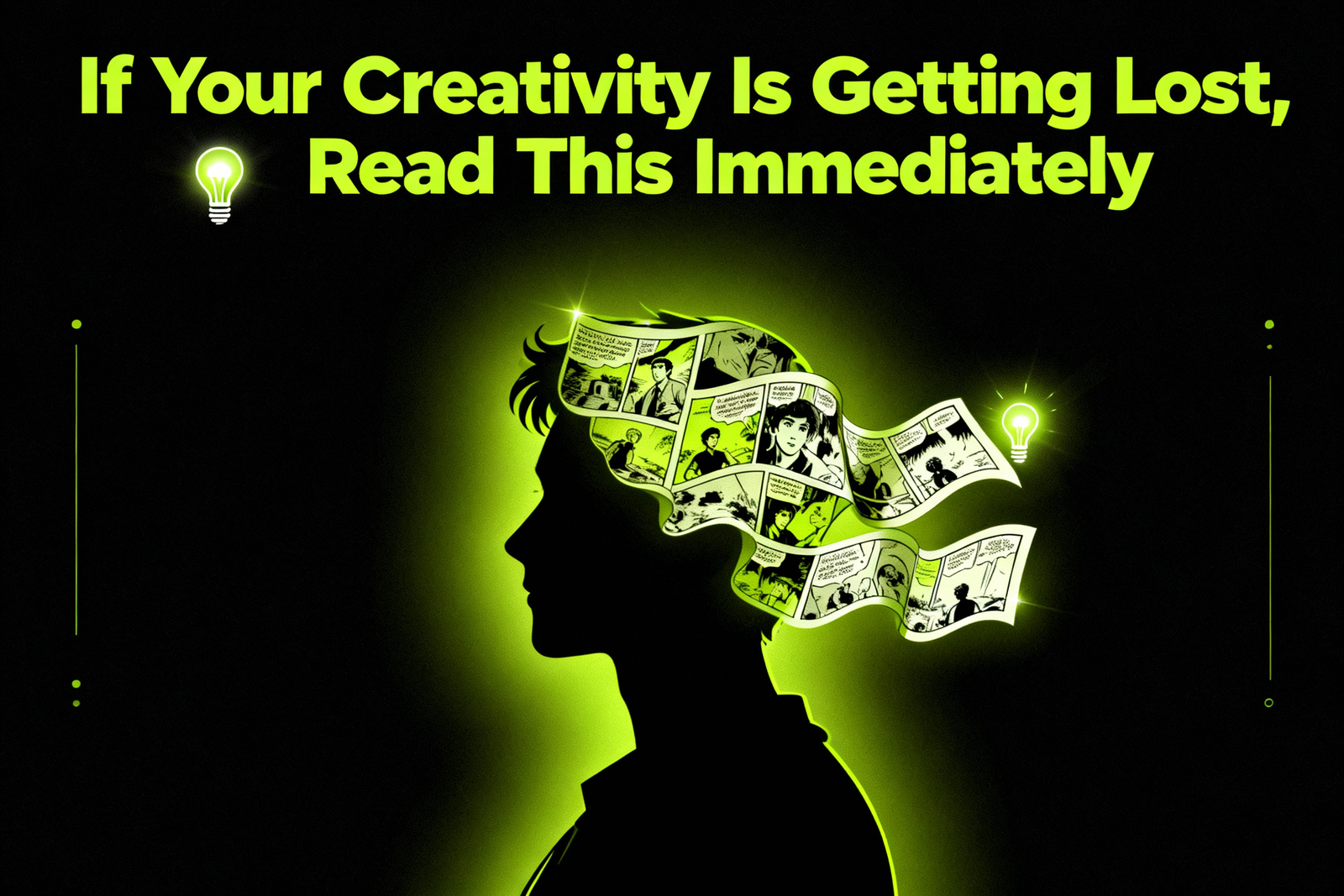
Lila stared at the blank canvas in her cluttered studio apartment, the brush limp in her hand like a defeated flag. The river of her imagination, once wild and unstoppable, had dwindled to a stagnant pool, choked by deadlines, rejections, and the endless scroll of algorithm-fed sameness. As a graphic designer who’d once sketched feverishly through the night, she now felt the drought—those parched hours where every line felt forced, every color muted. Comic books, especially the bold superhero tales from independent publishers, became her unlikely lifeline, pages that didn’t just entertain but poured fresh currents back into her creative veins.
The Death and Rebirth of the Superhero
Lila remembered flipping through faded mainstream superhero issues from her childhood, their capes blazing in primary reds and blues, heroes locked in endless good-versus-evil clashes atop crumbling cityscapes. Those stories had comforted her once, a reliable escape. But lately, their predictability mirrored her own creative rut—powers that never surprised, villains recycling the same snarls, battles echoing like a looped track.
Then she discovered indie publishers lurking in the shadows of convention. Unburdened by decades of continuity or corporate mandates, these small presses breathed new life into superheroes. One rainy evening, Lila cracked open a volume from an upstart label: a hero not born of radiation but forged in quiet rebellion, their strange powers twisting through personal hauntings rather than bombast. For the first time in months, her mind sparked—here was vibrancy, raw and personal, pulling her from stagnation like a lifeline tossed into dark waters.
Breaking the Formula
What if a superhero wasn’t defined by golden-age glory or franchise safety nets? Lila dove into indies that shredded those blueprints, heroes grappling with flawed outsider lives—family ghosts whispering through shadowed panels, battles against grief’s heavy inertia or the alienation of forgotten cultures. In one story, powers emerged as metaphors: isolation’s crushing weight one issue, social uprising’s fire the next.
She lingered on a tale where abilities demanded brutal trades—lost connections, addictive highs, bodies forever altered. These weren’t distant gods; they were mirrors, sacrifices hitting close to her own burnout. Page by page, Lila rediscovered fragments of herself in their storms, her sketchpad filling with echoes of their raw emotional geometry. The drought cracked; ideas seeped in, profound as any equation she’d ignored.
Artistic Rebellion
Lila’s eyes widened at the visuals exploding beyond rigid house styles. Indie artists rebelled freely: inky noir grit cloaking vigilantes, neon storms of cosmic fury, stark minimalist silences in a hero’s pause. These experiments didn’t just decorate—they invaded her senses, jagged strokes and zine-inspired palettes borrowed from street art, negative space carving depth like hidden doors.
While blockbuster comics polished edges for the masses, indies cradled the rough, the individual. Lila traced a panel’s bold gradients, soft lights blooming from black voids, and felt her own lines loosen. That single frame—a hero mid-leap, reality fracturing—pulled her in, urging her brushes to dance again. She’d tasted it: the promise of tumbling into worlds that reignited the dream of creation itself.
The Audience as Collaborator
These comics whispered invitations to Lila, plots veering from clichés, motives shrouded in ambiguity, endings dangling like unfinished threads. She finished them not on the page, but in her mind’s fevered extensions. For a stalled artist like her, it was permission incarnate: to invent heroes in her image, loving fiercely, fighting for stakes that scarred.
Weirdness bloomed—vulnerable powers, angry ambiguities—and she embraced it, no longer spectator but mythmaker. Flipping late into the night, Lila storyboarded her own twists, her hands alive with the genre’s reshaped heroism. Age, roots, skill faded; she was participant now, creativity coaxed from hiding.
Reigniting Your Spark
One issue shattered Lila’s impasse. Leafing through forward-thinking presses, her thoughts raced: powers from protest marches, not lab mishaps? Villains as flawed revolutionaries, clashes inward and cosmic? Each “what if” jolted her awake, ambitions stirring like embers fanned to flame, the superhero world pulsing with evolution.
Indies handed her a map of bravery—handcrafted tales, defiant and specific, thriving beyond mainstream gloss. Hers now connected to lives as tangled as her own. Reading morphed into action: responding, extending stories, her pencils flying to draw, scripts forming, dreams solidifying in the quiet hours.
Why Indie Stories Matter in 2025
Superhero saturation ruled 2025—films, series, merch drowning the airwaves—dulling Lila’s edge amid the noise. Yet indies cut through, roots-deep with personal fury, community-fueled via crowdfunding, voices unvetted by Marvel boardrooms. They protested sameness, art as raw connection.
She sought houses amplifying experiments, landing on platforms like iMPOUND Comics via superhero comics  links. Their reimaginings dusted off formulas, blueprints for her revival—not mere reads, but intent declared, art’s worth affirmed, creativity reclaimed as innate power.
Finding Wonder Again
Lila’s river roared anew, not from pat answers but questions that dragged her along. Indie superheroes leaped unknown, probed heroism’s core, shattered protagonist molds. In novelty’s rush and formula’s grip, they carved surprise.
Gently fierce, they recalled her comic love—not endings foretold, but paths imagined wildly. When creativity vanished, independents called: weird visions from the unpermitted. Between pages lay renewal—the rush unbound.