Healthy-looking hair is easier to style, feels smoother, and generally tangles less. However, frequent straightening, curling, bleaching, colouring, and chemical treatments can gradually weaken hair. Damaged hair may become dry, dull, brittle, rough, or difficult to manage. Split ends and short broken strands may also become more noticeable.
The good news is that you can improve the appearance and manageability of damaged hair while preventing additional damage. The key is to understand what has happened to the hair shaft and choose realistic, protective hair care practices.
1. Understand What Hair Damage Looks Like
Hair damage can develop gradually, so the early signs are easy to overlook. You may notice that your hair no longer feels as soft as it once did or that it takes longer to detangle after washing.
Common signs include:
- Dryness and a rough texture.
- Split ends and frayed tips.
- Hair that breaks when brushed.
- Increased tangling and knots.
- Dullness and reduced shine.
- Uneven lengths caused by breakage.
- Hair that feels unusually stretchy or fragile when wet.
Not every hair concern is caused by styling damage. Sudden changes in hair texture, excessive shedding, or thinning at the roots may have other causes. If these symptoms occur alongside scalp irritation or unusual hair loss, a dermatologist can help determine the reason.
2. Reduce Heat Styling Immediately
High temperatures can damage the hair’s protective structure, especially when heat tools are used frequently or on the same sections repeatedly.
If your hair is already brittle, reducing heat exposure should be one of your first priorities. Give your hair a break from flat irons and curling wands, and allow it to air-dry when practical.
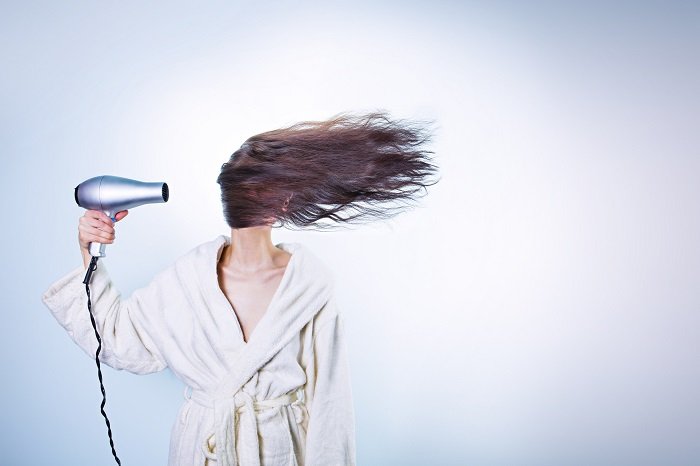
When using a hair dryer, select a moderate heat setting and keep it moving. Avoid concentrating hot air on one area for too long.
If you return to heat styling, use an appropriate heat protectant according to its instructions. This can help reduce damage but does not eliminate the risks of excessive temperatures or repeated styling.
You can also experiment with heat-free styling methods, such as loose braids, rollers designed for overnight use, or hairstyles that work with your natural texture.
3. Switch to a Gentle Shampoo and Conditioner
Damaged hair benefits from a routine that cleans the scalp without adding unnecessary friction to fragile lengths.
Choose a gentle shampoo that suits your scalp and hair type. Massage it into the scalp with your fingertips and allow the lather to cleanse the lengths during rinsing instead of scrubbing them aggressively.
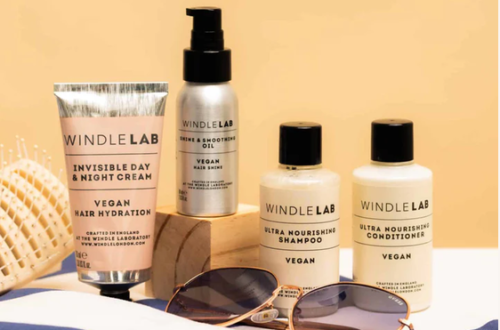
Follow with conditioner every time you shampoo. Conditioner helps smooth the hair surface, improve detangling, and reduce friction between strands.
For particularly dry hair, a leave-in conditioner may provide additional manageability. Fine hair may require a lightweight formula, while coarse, curly, or heavily processed hair may benefit from richer conditioning products.
You do not need to replace every product you own at once. Start with the essentials and assess whether your hair feels easier to handle.
4. Use Hair Masks and Bond-Building Products Thoughtfully
Hair masks can temporarily improve the feel and appearance of damaged strands. Depending on their ingredients, they may provide conditioning, reduce tangling, and make hair feel smoother.
Some products are marketed as bond-building treatments intended for chemically processed or heat-damaged hair. Certain formulations may help improve the appearance or strength of treated strands, but results vary by product and degree of damage.
Follow the manufacturer’s instructions and avoid assuming that a more expensive product will necessarily work better.
It is also important to understand that cosmetic treatments cannot turn severely damaged hair into completely undamaged hair. Their main purpose is to improve manageability and help reduce further breakage while the hair grows.
5. Avoid Overlapping Chemical Treatments
Bleaching, relaxing, perming, and some chemical straightening procedures can alter the internal structure of the hair. Repeating these treatments too frequently, particularly on previously processed lengths, may increase brittleness and breakage.
If you colour or chemically treat your hair, tell your stylist which products and treatments you have used previously. This helps them assess whether another service is appropriate.
Avoid bleaching already fragile sections repeatedly. Follow professional advice about the time needed between services, and do not combine chemical treatments at home unless the products are specifically intended for that use and you can follow the instructions safely.
If your hair becomes gummy, unusually elastic, or starts snapping after a chemical service, stop further chemical processing and seek professional advice.
6. Change the Way You Brush and Dry Your Hair
Rough handling can worsen damage even when you use excellent hair products. Wet hair can be particularly vulnerable to stretching and breakage.
After washing, gently squeeze out water using a soft towel. Avoid rubbing your hair back and forth.
Use a wide-tooth comb or a suitable detangling brush. Begin at the ends and work upward in small sections. If you encounter a knot, loosen it patiently rather than pulling through it.
For curly hair, detangling with conditioner may reduce friction. Choose a technique that works with your natural texture and avoids excessive tension.
Also consider your everyday hairstyle. Heavy extensions, tight ponytails, and repeated tension around the same hairline areas can contribute to breakage and, over time, traction-related hair loss.
7. Get Regular Trims to Manage Split Ends
Once a hair strand develops a split end, a conditioner cannot permanently join the damaged fibres back together. Products may temporarily smooth the area, but the split can continue along the strand.
A trim removes damaged ends and helps maintain a neater appearance. The amount to remove depends on the severity of the damage and your desired hairstyle.
You do not have to cut off all your length to begin improving damaged hair. A stylist can help determine whether a small trim is sufficient or whether more substantial cutting would improve the condition of the ends.
Remember that trimming removes existing damage; it does not accelerate growth at the scalp.
8. Support Healthy New Growth
Hair condition is affected by more than external products. Adequate nutrition supports normal hair growth, so aim for balanced meals that provide protein, iron, zinc, and other essential nutrients.
Avoid crash diets and unnecessary restrictions. If you are experiencing substantial shedding alongside hair breakage, a healthcare professional can assess whether nutritional or medical factors may be involved.
Supplements are not a universal solution. Taking large doses of vitamins or minerals without a demonstrated need may cause harm, and some supplements can interact with medications.
9. Set Realistic Expectations for Recovery
Hair grows from follicles in the scalp, while the visible lengths are made of non-living keratinised fibres. Damaged lengths cannot biologically heal in the same way that skin does.
You may notice smoother hair after a few conditioning treatments, but rebuilding longer, healthier-looking lengths takes time. The damaged portions need to be protected, gradually trimmed if necessary, and replaced through new growth.
Take photographs periodically if you want to compare changes in shine, breakage, and overall length. Focus on preventing additional damage rather than expecting a single product to solve every concern.
Final Thoughts
Repairing damaged hair begins with reducing the habits that caused the damage. Limit heat styling, avoid repeated chemical processing, use conditioner consistently, and handle wet hair gently.
Hair masks, leave-in conditioners, and specialised treatments may improve manageability, but prevention remains essential. With a suitable routine and realistic expectations, you can help your hair look smoother and reduce further breakage as new growth develops. Want to understand your hair better and discover ways to keep it looking its best? Visit SalonsAtlas.com or thehairjournal.co.uk for more hair care advice, useful tips, and educational articles.