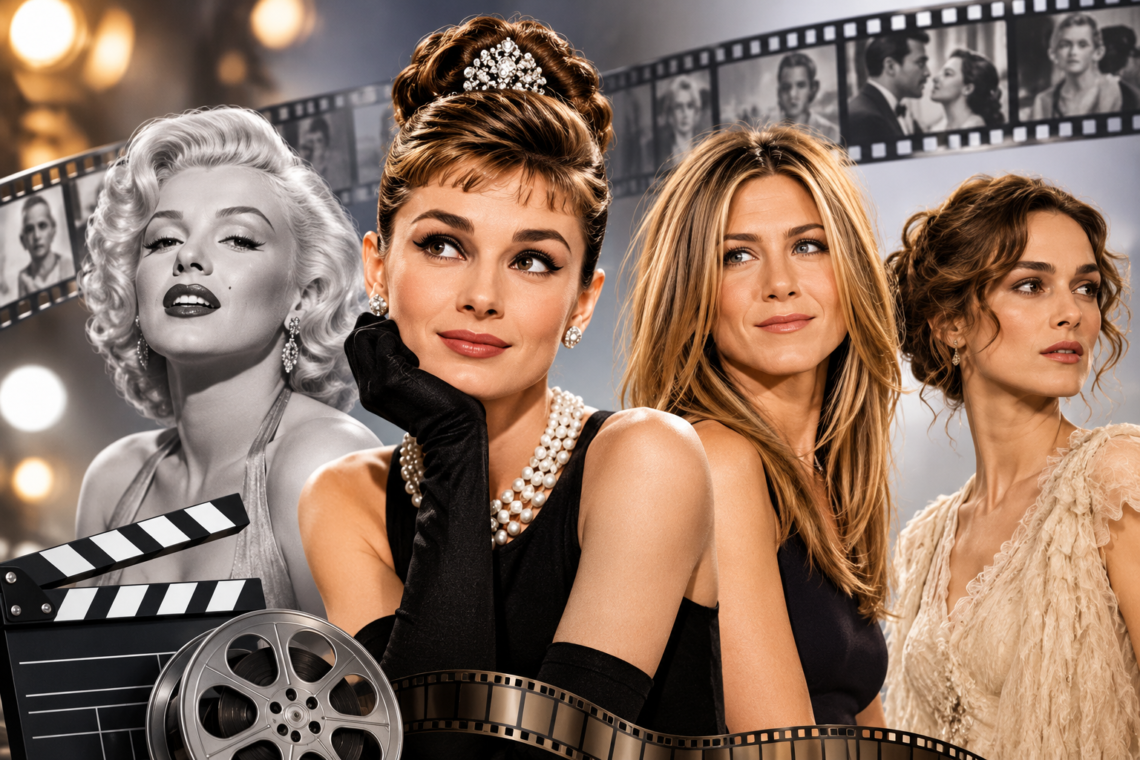
Some hairstyles remain memorable long after the film itself has ended. A particular fringe, a dramatic updo or an unmistakable silhouette can become part of the visual identity of a character. Cinema has always had a close relationship with hair, using it to establish personality, suggest a period, communicate social attitudes and help audiences understand the world on screen.
Unlike everyday styling, film hair has to work within a carefully constructed visual story. It must suit the character, complement the costume and remain convincing under different lighting conditions. A hairstyle may need to look effortless, even though considerable preparation has gone into creating and maintaining it. In this way, film hairdressing is both a creative discipline and a technical craft.
The history of cinema offers countless examples of how hairstyles have reflected changing ideas of beauty. In earlier decades, carefully sculpted waves and polished shapes helped establish the glamour associated with classic screen performers. As films began to explore more contemporary settings and characters, hair became less formal in many productions. Natural movement, shorter cuts and more relaxed finishes helped communicate changing attitudes.
Different genres also use hair in distinctive ways. A historical drama may require meticulous period styling, with shapes and details that reflect a particular era. A contemporary character-driven film might use an understated haircut that feels entirely ordinary, allowing the audience to focus on the personality rather than the styling. In fantasy and science fiction, hair can become part of the visual language of an imagined world.
The relationship between hair and character is especially important. A haircut can suggest confidence, rebellion, restraint or vulnerability before a character has spoken a single line. A sudden change in length or colour can signal a new chapter in a story, while a familiar style can help establish continuity. Hair is therefore more than decoration; it contributes to how a character is understood.
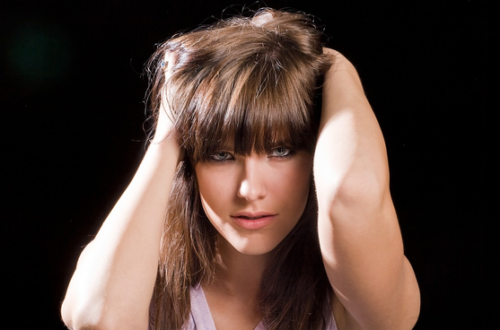
This is one reason film hairstyles often influence fashion beyond the cinema. Audiences do not necessarily want to reproduce an entire look exactly. They may be drawn to a particular detail: the shape of a fringe, the softness of a wave, the proportion of a short cut or the contrast created by a distinctive colour. These references can become starting points for personal interpretation.
However, recreating a film hairstyle in everyday life involves more than finding a similar photograph. Screen styling is often designed for a specific face, costume, lighting arrangement and camera angle. It may also rely on professional preparation and regular adjustments throughout filming. What appears effortless on screen may not translate directly into a practical everyday routine.
A professional stylist can help identify the element that makes a particular look appealing and adapt it to real hair. Perhaps the attraction is the outline rather than the exact length, or the movement rather than the volume. Understanding this distinction makes it easier to create a version that feels personal instead of like a costume.
The technical considerations are just as important. Hair density, natural texture, growth patterns and face shape all influence how a style will behave. A cut that looks beautifully structured on straight hair may need a different approach when adapted for curls or waves. Similarly, a carefully placed fringe can change the balance of a haircut and may require a realistic discussion about maintenance.
For people inspired by screen styling, a consultation with experienced London hairstylists can help turn a visual reference into a workable idea. The conversation can explore which details are worth retaining, what should be adapted and how the finished look will fit into everyday life. This approach keeps inspiration at the centre without sacrificing individuality.
Cinema also reminds us that hair does not exist in isolation. It interacts with clothing, accessories, posture and movement. A hairstyle that looks striking with an evening dress may create a different impression when paired with casual clothing. The overall silhouette matters, and this is one reason certain film looks feel so complete: every element has been considered together.
The influence of cinema can be seen in salon conversations across generations. Some clients arrive with references from films they watched growing up, while others are inspired by contemporary productions. The appeal may be nostalgic, artistic or simply aesthetic. A film can introduce someone to a shape they would never have considered otherwise.
In a creative setting such as Covent Garden, where theatre, film, fashion and everyday city life exist alongside one another, these visual influences feel particularly relevant. A visit to a hair salon in Covent Garden can provide an opportunity to discuss a screen-inspired idea and explore how it might be translated into a style suited to the individual.
Ultimately, the best film-inspired hairstyles are not necessarily the most recognisable ones. They are the looks that offer an idea worth adapting. Cinema provides an extraordinary archive of shapes, textures and creative possibilities, but personal style begins when those references are made one’s own. A memorable hairstyle may first appear on a screen, yet its lasting influence comes from what people do with it afterwards. The most successful interpretation is not a perfect reproduction of a character’s look. It is a style that carries a little of that inspiration while feeling entirely natural in everyday life.