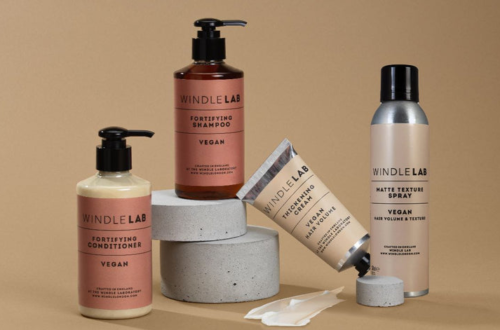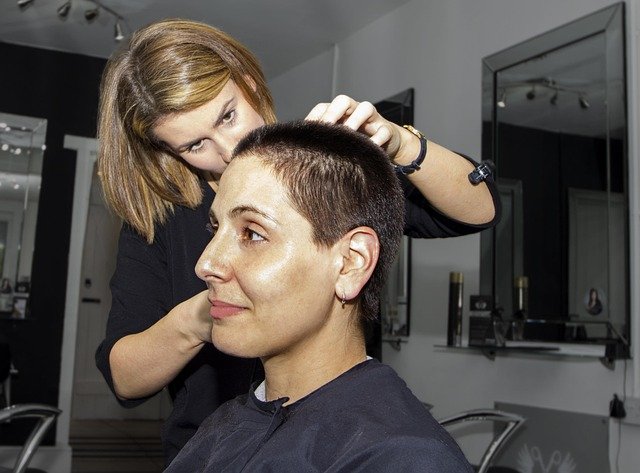
When people think about hair care, attention almost always goes to the visible parts: shine, smoothness, length, and styling. Conditioners, masks, oils, and serums dominate most routines. Yet the foundation of healthy hair sits several centimetres above where most people focus — the scalp.
Ignoring the scalp is one of the most common reasons hair fails to reach its potential. Hair strands are not living tissue, but the scalp is. What happens there determines how strong, thick, and resilient new hair will be.
Hair Quality Is Decided Before Hair Exists
Every strand of hair begins its life beneath the surface of the scalp. Follicles rely on blood flow, oxygen, and nutrients to produce hair with proper structure.
If the scalp environment is compromised — congested, inflamed, dry, or overly oily — hair emerges weaker from the start. No product applied to the ends can fully correct problems formed at the root.
Healthy hair always reflects a healthy scalp.
Scalp Issues Are Often Invisible
Many people assume scalp problems must come with obvious symptoms like flakes or itching. In reality, imbalance often develops quietly.
Reduced circulation, mild inflammation, or clogged follicles can exist without discomfort. Over time, these conditions slow growth, reduce density, and affect texture.
By the time changes are visible in the mirror, the scalp has usually been struggling for months.
Product Buildup Blocks Follicle Function
Modern hair routines rely heavily on styling products. While effective for hold and finish, these formulas often accumulate at the scalp.
Dry shampoo, hairspray, waxes, and thick creams can block follicles if not properly removed. This buildup restricts oxygen and disrupts normal oil flow.
Gentle but thorough cleansing is essential for scalp health, not just hair cleanliness.
Over-Cleansing Can Be Just as Harmful
Washing too frequently strips the scalp of its protective oils. In response, the scalp may overproduce oil or become sensitive and dry.
This cycle weakens the scalp barrier, making it harder for follicles to function optimally. Balance, not frequency, is what supports healthy growth.
A calm scalp produces better hair.
Scalp Circulation Supports Growth
Hair follicles depend on blood flow to deliver nutrients. Poor circulation reduces growth speed and strand thickness.
Simple habits like regular scalp massage can significantly improve circulation. Even a few minutes a day helps stimulate follicles and encourage stronger growth.
Movement supports vitality.
Stress Is Stored at the Scalp
Stress affects the entire body, including the scalp. Elevated stress hormones can shorten growth cycles and push hair prematurely into the shedding phase.
Tension also restricts blood flow in the scalp, further limiting follicle activity. Relaxation techniques, proper sleep, and mindful routines benefit hair health indirectly but powerfully.
Hair often reflects emotional strain before people realise it.
Nutrition Feeds the Scalp First
Hair follicles are among the most energy-demanding structures in the body. When nutrition is lacking, hair quality is one of the first things to suffer.
Protein, iron, zinc, and healthy fats are especially important for scalp health. Without adequate supply, hair grows thinner, slower, and weaker.
Supplements help only when deficiencies exist — balanced nutrition remains the foundation.
Scalp Sensitivity Should Not Be Ignored
Tightness, tenderness, or mild discomfort can indicate inflammation. This state weakens follicles and disrupts growth cycles.
Using gentler products, reducing heat exposure, and limiting chemical treatments can restore balance over time.
Sensitivity is often an early warning sign.
Professionals at a well-established hair salon in London frequently emphasise that lasting hair results come from addressing scalp health, not just surface-level treatments.
Exfoliation Encourages Renewal
Just like skin, the scalp sheds dead cells. When these accumulate, follicles struggle to function properly.
Occasional gentle exfoliation helps remove debris, improve circulation, and rebalance oil production. Over-exfoliation, however, can cause irritation.
Moderation is key.
Heat Styling Affects the Scalp Too
Heat tools are usually blamed for damaged ends, but they also affect the scalp. High temperatures dehydrate the skin and weaken the protective barrier.
Over time, this contributes to dryness, sensitivity, and slower growth. Lower heat settings and heat protection reduce this stress.
Healthy hair begins at the root — literally.
Seasonal Changes Impact the Scalp
Cold weather reduces circulation, while heat increases sweat and oil production. Seasonal shifts can temporarily affect scalp balance.
Adjusting routines throughout the year — lighter products in summer, more hydration in winter — supports consistent hair health.
The scalp responds to environment quickly.
Hair Thinning Often Starts at the Scalp
Before visible thinning appears, follicles may already be shrinking due to inflammation or stress. Addressing scalp health early helps slow this process.
Density is preserved not through styling tricks, but through follicle care.
Prevention is easier than correction.
Patience Is Essential
Scalp improvement takes time. New hair reflects conditions from months earlier, not days.
Consistency with gentle cleansing, balanced nutrition, and scalp care allows follicles to stabilise and perform better over time.
Quick fixes rarely deliver lasting results.
Conclusion
Hair health does not begin with masks, serums, or styling products. It begins with the scalp — the living environment where every strand is formed.
By prioritising scalp balance, circulation, and nourishment, hair naturally grows stronger, fuller, and more resilient. When the foundation is healthy, the length follows.
Healthy hair is not created at the ends — it is grown at the root.