For a long time, conversations around hair trends were dominated by length.
Long hair, shorter cuts, growing hair faster — much of the focus centred around how much hair someone had rather than how it actually behaved. Length often became the main marker of style, while texture sat somewhere in the background.
That’s now changing.
Increasingly, stylists and clients alike are paying more attention to how hair moves, how it responds to styling and how its natural texture influences the final result.
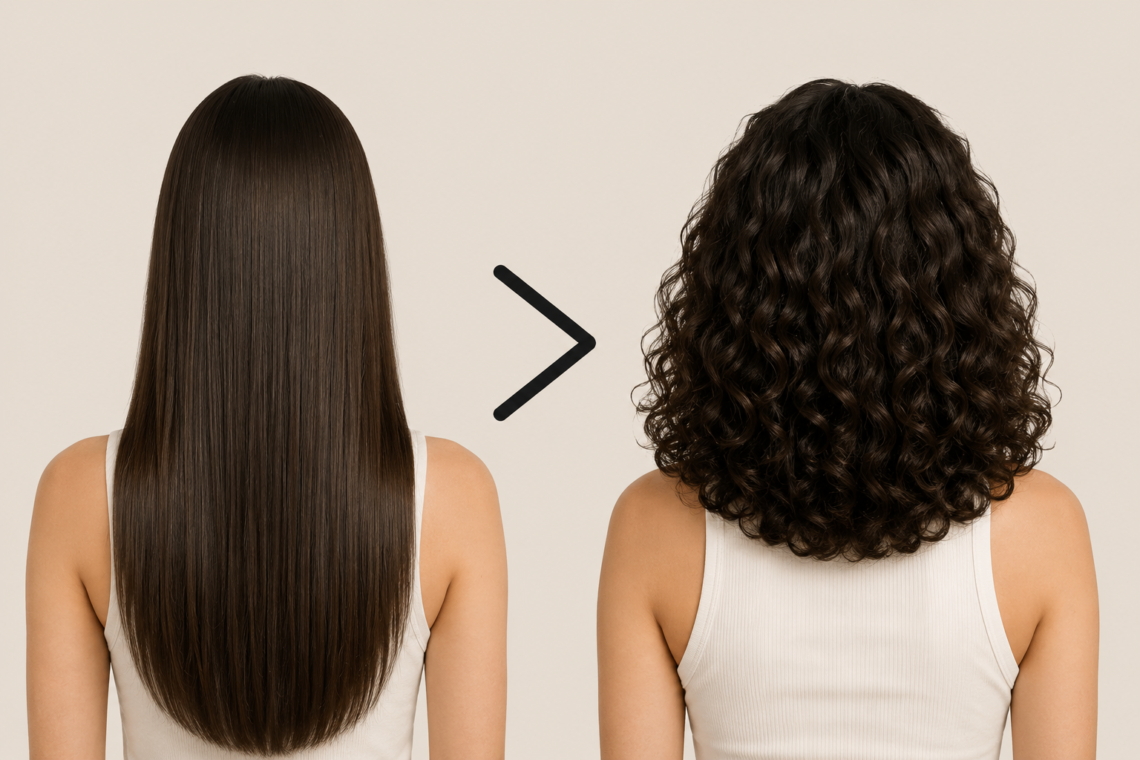
And in many ways, texture is becoming more important than length itself.
The move away from uniform styling
One reason for this shift is that beauty trends overall have become far less uniform than they once were.
Instead of one polished finish dominating fashion and beauty culture, individuality has become much more important. Hair that reflects natural texture often feels more modern and current than styles that attempt to smooth or reshape everything completely.
As a result, many people are beginning to work with their hair rather than against it.
This is especially noticeable with the rise of softer styling trends, where movement and flexibility matter more than rigid perfection.
Why texture changes everything
Texture influences almost every part of styling:
- volume
- movement
- hold
- drying time
- and overall shape
Two people can have the exact same haircut and completely different results depending on how their hair naturally behaves.
Fine hair may struggle to maintain volume, while thicker textures can hold shape more easily but require different weight distribution. Wavy hair behaves differently from straight hair, and curls respond differently again.
Understanding these differences has changed the way many stylists approach both cutting and styling.
Why natural texture feels more modern
There’s also been a noticeable cultural shift away from hair that looks overly controlled.
Perfectly structured styles are increasingly being replaced by finishes that feel softer and more adaptable. Hair that moves naturally tends to appear more current than styles that remain completely fixed in place.
This doesn’t mean styling has become less important — if anything, it often requires more precision. The goal is simply different now.
Rather than forcing the hair into a shape it doesn’t naturally support, the focus is increasingly on enhancing what’s already there.
The role of cutting technique
As texture becomes more important, cutting technique matters more too.
The way weight is removed or preserved can dramatically influence how texture behaves day to day. A haircut designed without considering natural movement often becomes harder to style and maintain outside the salon environment.
This is one reason consultations have become much more personalised in recent years. Stylists are spending more time understanding how clients wear their hair naturally, how much styling they realistically want to do and how the texture responds to different environments.
A more wearable approach to beauty
Another reason texture-led styling has become more popular is because it tends to feel more wearable long-term.
Hair that works with its natural characteristics usually requires:
- less heat
- fewer heavy products
- and less daily manipulation overall
That often leads to healthier-looking hair over time, as well as routines that feel easier to maintain consistently.
In London especially, where weather, commuting and busy schedules all influence how hair behaves throughout the day, this practicality has become increasingly valuable.
How salons are adapting to the shift
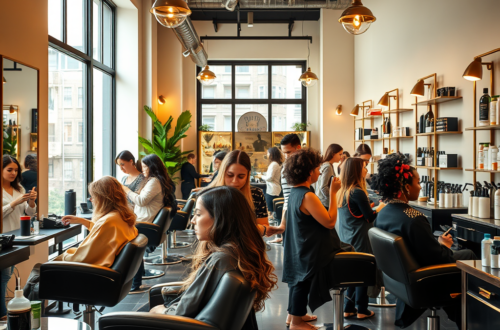
Many salons are now approaching styling with movement and texture as the starting point rather than the final step.
At places like Windle London, for instance, there’s often greater emphasis on how the hair naturally falls and responds to movement, helping create styles that continue to feel effortless outside the salon itself.
That approach reflects a wider change happening across beauty generally — one that values adaptability and individuality over strict perfection.
Why this trend is likely to stay
Unlike fast-moving beauty trends, the focus on texture feels more permanent because it aligns with how people increasingly want to approach beauty overall.
More realistic. More adaptable. Less rigid.
And ultimately, that may be why texture has become such a defining part of modern haircare conversations.
Because the most modern styles rarely come from completely transforming natural texture. They come from understanding how to make it work at its best.